
Specialist dementia therapies and Cognitive Stimulation Therapy
At The Ness, we provide specialist dementia therapy and cognitive health support for people experiencing memory changes, Mild Cognitive Impairment or dementia across Devon.
Our clinically led approach combines Cognitive Stimulation Therapy with small groups, individual goals and regular reviews. Sessions are sociable and enjoyable, but every activity is chosen for a reason: to support abilities such as memory, language, attention, reasoning, planning and social connection.
We also work alongside families, helping them understand the support being provided and consider what may be helpful as needs change.

Specialist dementia therapies and Cognitive Stimulation Therapy
At The Ness, we provide clinically led dementia therapy and cognitive health support for people experiencing memory changes, Mild Cognitive Impairment or mild to moderate dementia across the UK.
Cognitive Stimulation Therapy is central to our work, but we go further than standard CST. Our facilitators use specialist knowledge of dementia, memory and brain function to choose and adapt activities around each person’s abilities, goals and changing needs. Every activity is chosen for a reason: to support abilities such as memory, language, attention, reasoning, planning and social connection.
Sessions are sociable and enjoyable, but nothing is included simply to fill time. Progress is reviewed using structured observations and recognised outcome measures, giving families reassurance and professionals useful information when considering referrals and ongoing support.
What is Cognitive Stimulation Therapy?
Cognitive Stimulation Therapy, usually known as CST, is a recognised first-line, non-drug treatment for people living with mild to moderate dementia. The National Institute for Health and Care Excellence, (NICE), recommends that group CST should be offered as part of dementia treatment and support.
Sessions use themed activities and discussion to support thinking, communication and social interaction. These may include conversation, word activities, reminiscence, practical problem-solving, number work and creative tasks.
CST is not a test. It takes place in a supportive group and is designed to be stimulating, sociable and enjoyable.
Some Ness groups also support people with Mild Cognitive Impairment or earlier memory concerns. We speak with each person before they join to make sure the group is suitable for their needs.

What makes The Ness approach different?
Clinically led
Our facilitators understand how dementia can affect memory, language, attention, planning, emotional regulation and social confidence. This knowledge shapes each session.
Small, structured groups
Smaller groups allow the pace, conversation and level of challenge to be adapted to those taking part.
Purpose behind every activity
Activities are chosen to support specific cognitive, emotional, social or everyday abilities, rather than simply to keep people occupied.
Measurable and adaptable
We use a unique measurement approach, built around validated outcome measures. This helps us monitor change, review progress and adapt support as each person’s needs develop.
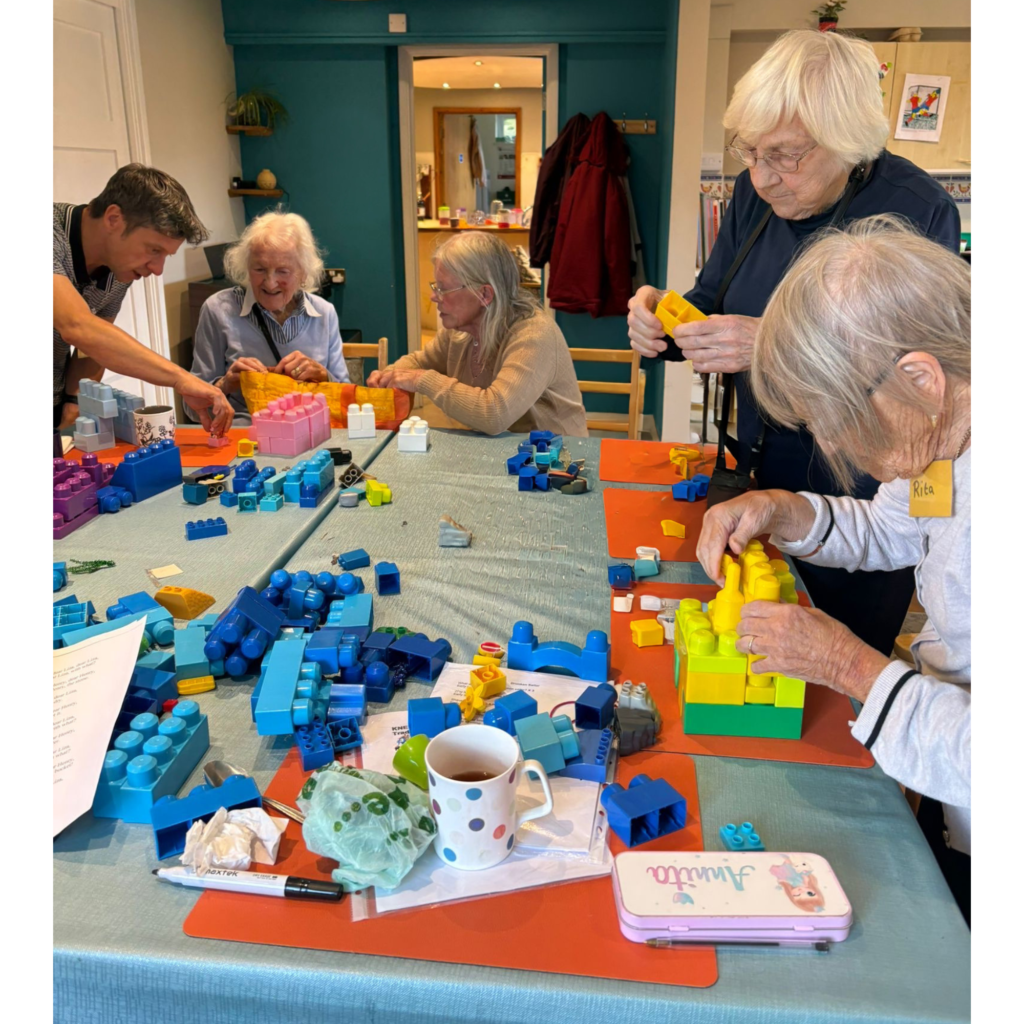
The Ness model
The Ness has delivered thousands of Cognitive Stimulation Therapy and therapeutic sessions across Devon for more than ten years.
Our model is built around one important question:
Why are we using this activity?
Each session has a theme, such as travel, sport, food or current affairs. Within it, activities are selected to work on abilities including language, working memory, planning, reasoning, reminiscence and social communication.
A travel session might involve recalling a journey, planning what to pack, finding words linked to different places and joining a group discussion. It feels natural and enjoyable, while the facilitator understands the abilities being used and what the session is intended to support.
More than Cognitive Stimulation Therapy
CST is central to our work, but the support someone needs may change over time.
Alongside CST, we may use cognitive rehabilitation, reminiscence and life-story work, validation-based communication, movement, music, creative activities and meaningful everyday tasks.
These approaches can support communication, identity, emotional wellbeing, confidence, involvement and quality of life.
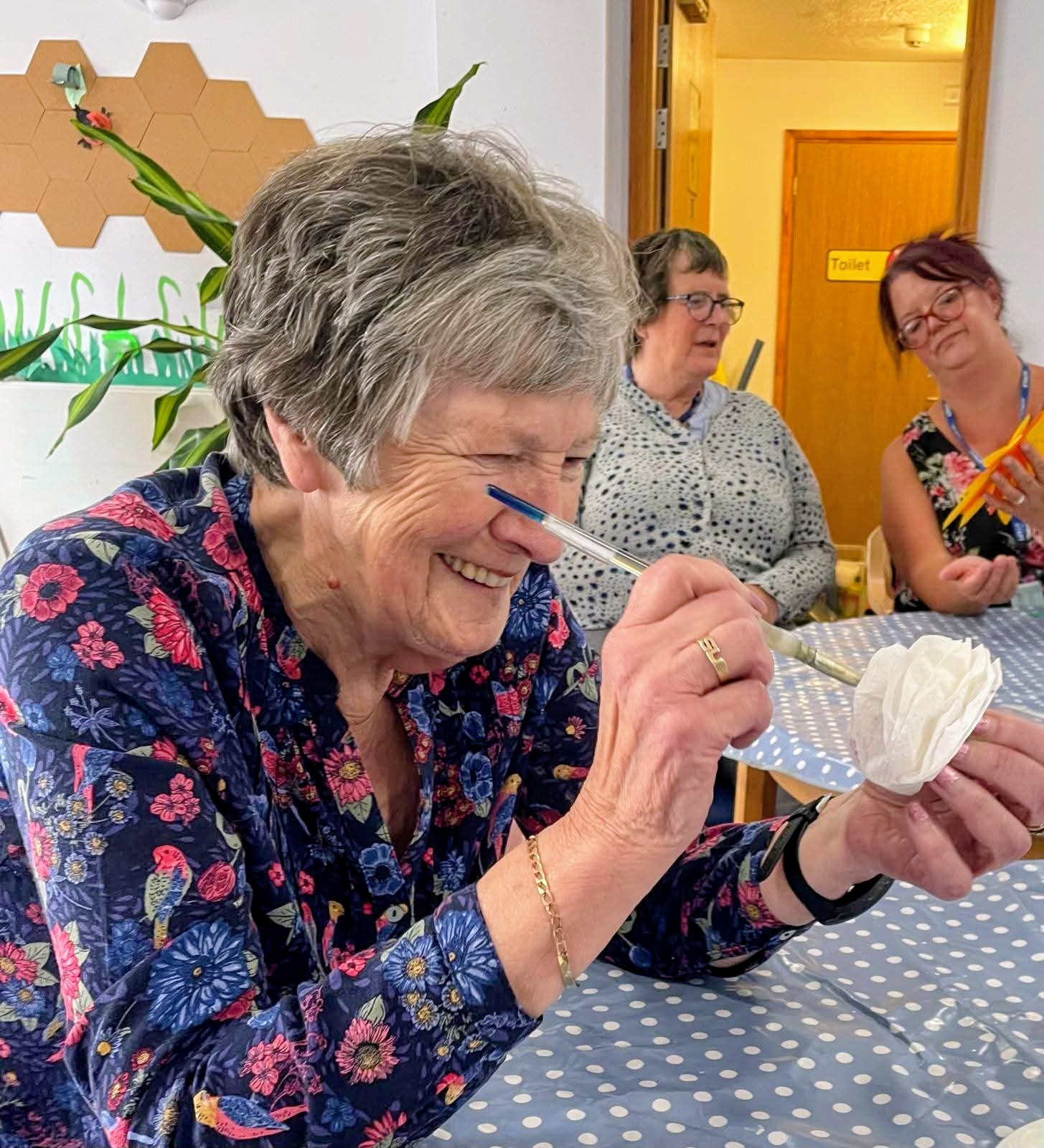
Our approach follows a simple cycle:
Plan → Treat → Measure → Review and adapt
We understand the person and agree goals, deliver active therapy, measure change and adjust the programme as needs develop.
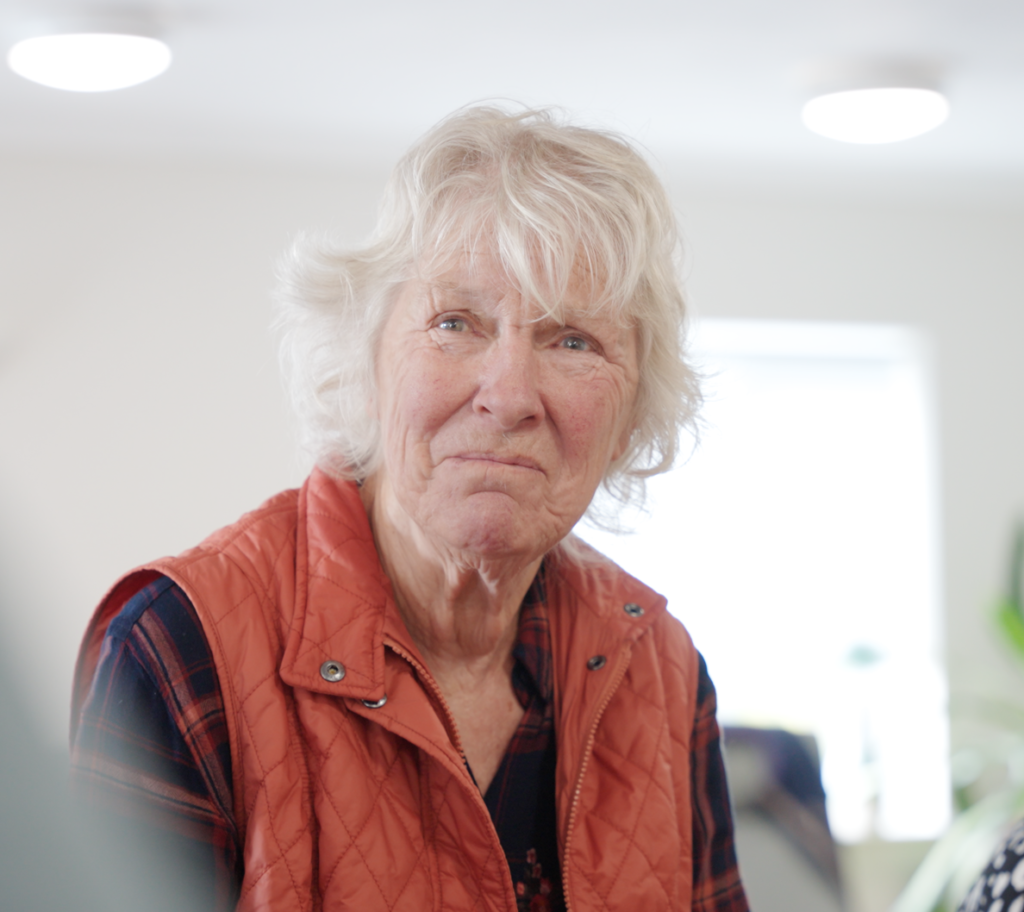
How we measure progress
We begin by understanding the individual, what they can do, what has been changing and what they and their family would like support to achieve.
The Ness uses a distinctive measurement approach developed through our clinical practice. It combines structured observations with selected elements of FIM+FAM and Goal Attainment Scaling to review communication, understanding, social interaction, everyday function and personally meaningful goals.
These recognised outcome tools help us compare change against the person’s own starting point, review whether support remains appropriate and give families and professionals useful feedback.
Measurement does not mean promising to reverse dementia. It means checking the effect of support and adapting it rather than assuming the same approach will always remain right.
Finding the right support
You do not need a diagnosis to contact or attend The Ness. If you are concerned about your own memory, or worried about someone close to you, you can come and talk to us.
We will discuss what has been changing and help identify whether a community CST programme, Ness Memory Hub or another form of support may be suitable. Families and professionals can also contact us about suitability and referrals.
The Ness does not diagnose dementia or Mild Cognitive Impairment. New or worsening memory concerns should also be discussed with a GP.
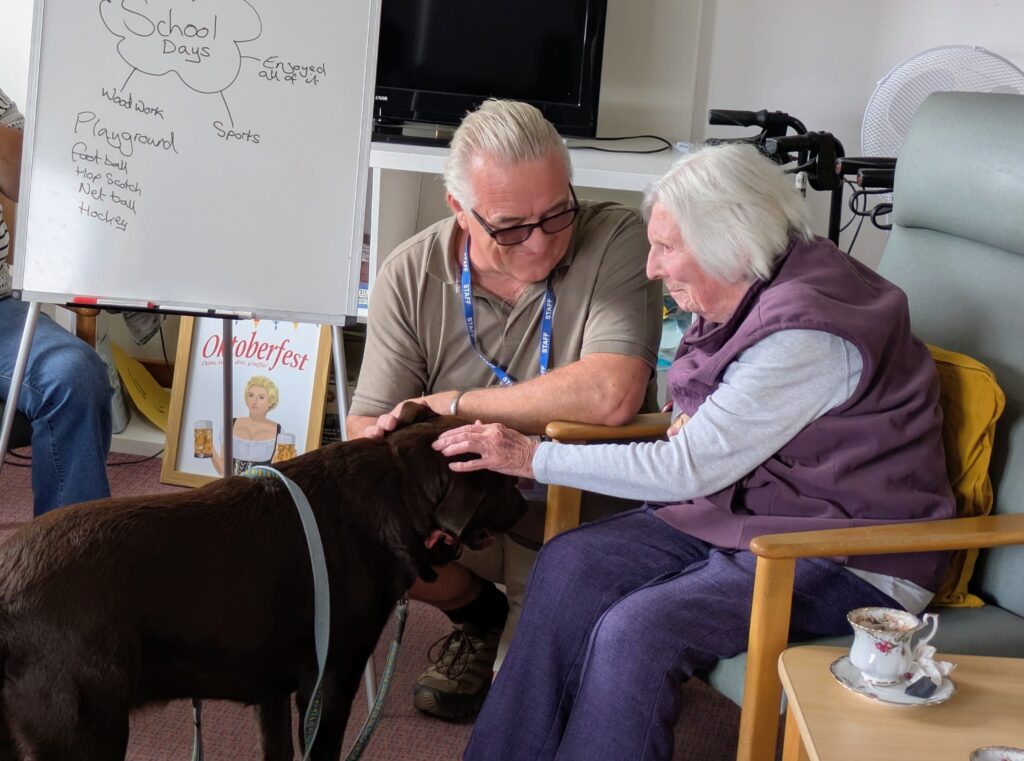
Cognitive Stimulation Therapy across Devon
CST is available through our Ness Memory Hubs in Exmouth, Chudleigh, Teignmouth, Kingsteignton & Newton Abbot. We also run community CST 10-week courses in locations including Exeter, Tiverton, Sidmouth, Torbay and Totnes.
FAQs
Have questions about our Treatments and Therapies?
-
The Ness uses a unique measurement approach built around validated outcome measures.
We combine structured observations with selected elements of FIM+FAM and Goal Attainment Scaling. This helps us review changes in areas such as communication, understanding, social interaction, everyday function and personally meaningful goals.
Progress is considered against the person’s own starting point, helping us adapt support and provide useful feedback to families and professionals.
-
Cognitive Stimulation Therapy is central to The Ness approach, but our model goes further by drawing on specialist knowledge of dementia, memory and brain function.
Each activity is selected with a therapeutic purpose and may focus on abilities such as language, working memory, attention, planning, reasoning and social communication.
We use a unique measurement approach, built around validated outcome measures, to monitor change, review progress and adapt support as each person’s needs develop.
This reflects The Ness cycle of planning outcomes, delivering active therapy, measuring progress, reviewing and adapting.
-
Sessions take place in small, supportive groups and usually follow a theme, such as travel, food, sport or current affairs.
Activities may include discussion, word exercises, reminiscence, planning, problem-solving, number work and creative tasks. They are adapted to the group and chosen to support particular cognitive, emotional or social abilities.
CST is not a test, and people are not judged on right or wrong answers.
-
The National Institute for Health and Care Excellence (NICE) recommends group Cognitive Stimulation Therapy for people living with mild to moderate dementia.
The Ness also supports people experiencing earlier memory concerns or living with Mild Cognitive Impairment. We speak with each person before they join to make sure the group and level of support are suitable.
-
No. You do not need a diagnosis to contact or attend The Ness.
You can speak to us if you are concerned about your own memory or worried about someone close to you. We will discuss what has been changing and help identify whether a Ness Memory Hub, community Cognitive Stimulation Therapy programme or another form of support may be suitable.